Tongue & Ama
Tongue coating & ama literacy
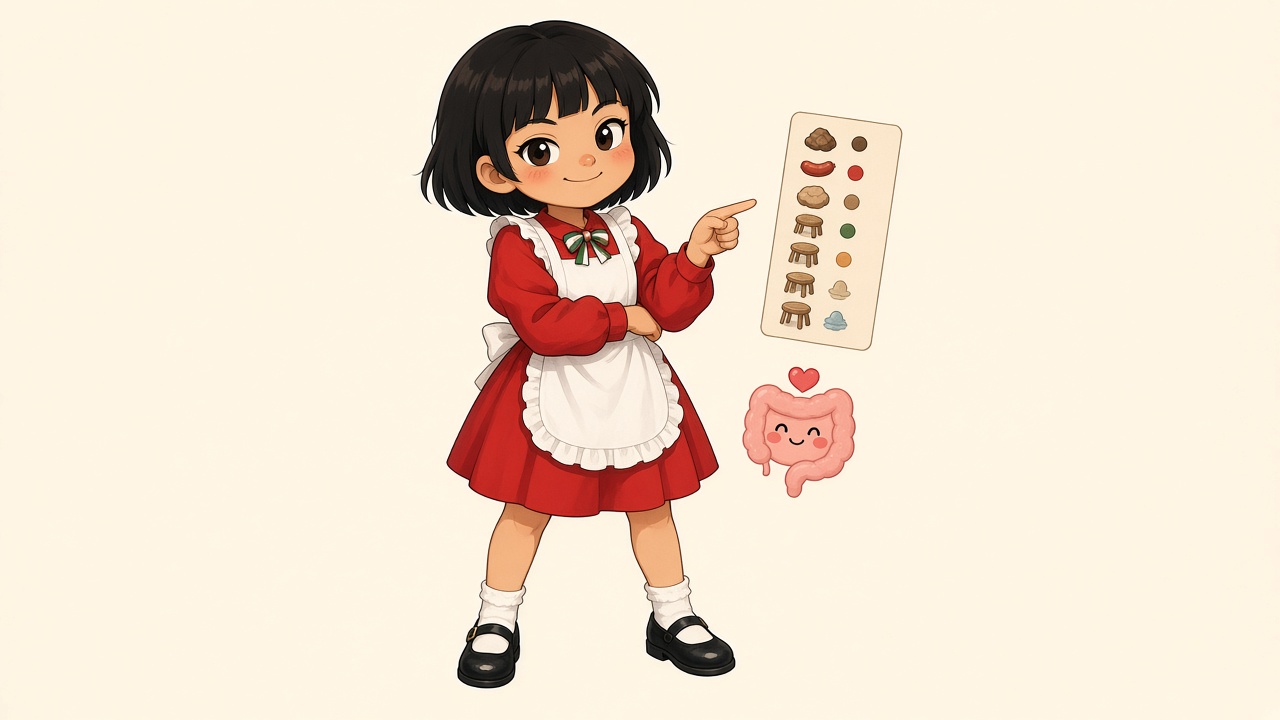
Little Maha’s gut report · Maha Prishna teaches the map — for Americans ready to invest in real practice.
Why coating shows up
In classical jihwa pariksha, a soft film on the tongue is one of the simplest morning reports. It often tracks incomplete digestion — what Ayurveda calls Ama — more than “you failed last night.” Coating thickness, color, and how easily it scrapes tell a story about Agni overnight.
Ama in plain English
Ama is sticky residue from food and experience that did not fully transform. It can feel like fog, heaviness, irregular stools, or cravings that never satisfy. Coating is not the only sign, but it is an honest, visible one you can check before coffee.
What Laura watches
Color (white, yellow, gray), where it sits (center vs root), moisture, and whether scraping clears it. She pairs that with hunger timing, sleep, and how you ate — never coating alone as a verdict.
Mexican kitchen signals
Late heavy dinners, icy drinks with meals, and rushed antojitos can leave a thicker morning film. Warm spices, sit-down lunches, and leftover-aware cooking often lighten it without erasing the table you love.
Literacy, not self-diagnosis
Use coating as a daily literacy practice. Photos for intake help Laura compare week to week. The site tongue map teaches vocabulary; diagnosis belongs in consult.
What to do this week
Scrape gently each morning, notice hunger before breakfast, and cut one cold-with-meals habit. Then bring notes — and a clear photo — to your session.
Ready for a real consult?
Little Maha reads the morning film; Maha Prishna and Laura pair it with Agni and stools.